Flagship Wireless Audio Hardware & OEM Solutions
Explore our CE-compliant, IP67-rated, and acoustics-engineered sport earphones and smart audio devices manufactured under strict ISO9001 and BSCI standards.
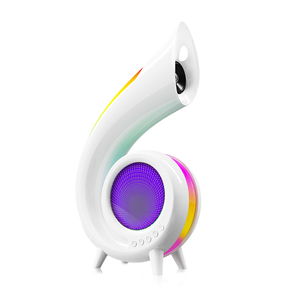
Bathroom Speaker Floating Speaker Outdoor Speaker Waterproof
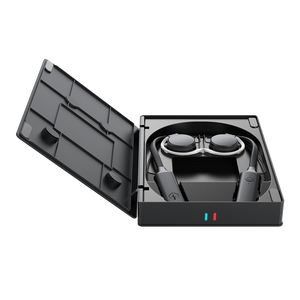
2.4G & BT Wireless Neckband Headphone with Open Ear Headset Ultra-Low Latency
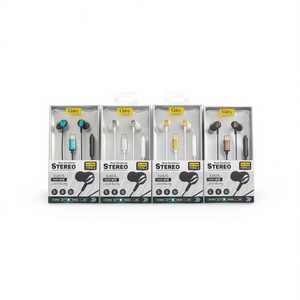
11-Piece AURICULARES Type-C Dynamic Driver Wired In-Ear Earphones
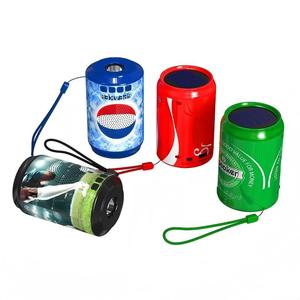
Creative Eco-Friendly Solar Charging 5W Outdoor Bluetooth Torch Can Speaker
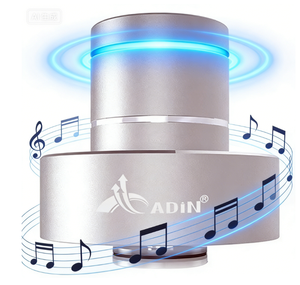
Tuya Smart WiFi Ceiling Speaker System Multi-Room HiFi Audio App Control
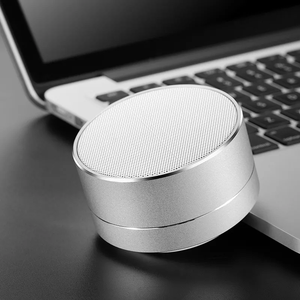
A10 Customize Voice Assistant Smart Speaker Full-Range Home Audio
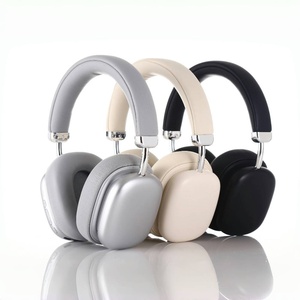
2025 Retro Studio DJ Stereo Over-Ear Wireless V5.3 Travel Headphones

Stereo High Volume Portable Karaoke Speaker Unique Cup-Shaped Outdoor Speaker
Navigating CE Certification for Sports Bluetooth Earbuds: A Sourcing Director's Blueprint
For global consumer electronics procurement directors, brand owners, and importers, selecting reliable CE certified sports Bluetooth earbuds manufacturers involves rigorous technical due diligence. CE marking is not merely a logo on packaging; it is a legally binding declaration that wireless acoustics comply with European Union directives including the Radio Equipment Directive (RED 2014/53/EU), Electromagnetic Compatibility (EMC 2014/30/EU), Low Voltage Directive (LVD 2014/35/EU), and RoHS 3 (2015/863/EU) environmental restriction mandates.
When sourcing sports audio hardware, manufacturing partners must demonstrate complete control over RF circuit design, power management integrated circuits (PMIC), antenna gain calibration, and structural sealing against fluid intrusion. Sports environments introduce severe operational stresses: acidic human sweat, mechanical impacts during running or workouts, dynamic ambient noise, and temperature cycling. Premium OEM manufacturers solve these challenges through proprietary nano-coating technologies such as SweatShield™ alongside sonic welding techniques that maintain IP67 and IP68 waterproof ratings without compromising dynamic driver acoustics.
Key Technology Trends Reshaping Sports Bluetooth Earbuds
Strategic technological shifts expected to dominate global athletic wearable manufacturing over the next five years.
1. Open-Ear Architecture & Air Conduction
The sports audio market is undergoing a structural transition from traditional in-ear silicone isolation toward open-ear air conduction and clip-on ear-cuffs. Using directional acoustic beamforming (such as EarFun DCAA™ and NSAA™ DSP tuning), open-ear designs project focused acoustic energy into the ear canal while preserving situational awareness—an indispensable safety feature for outdoor runners and cyclists.
2. Bluetooth 6.0, LE Audio & Auracast™
Next-generation sports headsets integrate Bluetooth 5.4 and 6.0 chipsets running the LC3 audio codec. This enables multi-stream audio broadcasting via Auracast™, ultra-low latency sub-20ms gaming/sports modes, and reduced power consumption that extends active playback beyond 10 hours per single earbud charge.
3. Real-Time Adaptive ANC & AI DSP
Modern sports earbuds utilize active noise cancellation algorithms capable of dynamically neutralizing wind resistance noise (Wind Noise Suppression) up to 50dB. Integrated neural network processing units (NPU) perform AI-assisted crystal-clear call voice filtering during intense physical activities.
4. Sustainable & Eco-Friendly Materials
Top-tier manufacturers are adopting Post-Consumer Recycled (PCR) plastics, bio-compatible silicone ear-tips, solar auxiliary charging, and plastic-free recyclable packaging to align with EU ESG guidelines and modern consumer eco-conscious buying criteria.
Future Sourcing & Procurement Optimization Strategies for Enterprise Buyers
As retail channels become increasingly competitive, electronics category managers must adjust their supply chain strategy from transactional purchasing to full strategic OEM/ODM partnerships. Key operational tactics include:
- Dual-Platform Chipset Architecture: Securing hardware platforms supporting Qualcomm® aptX™ Lossless alongside MediaTek/Realtek LE Audio solutions ensures resilience against chip shortages while offering flexible pricing tiers.
- Modular Tooling & Rapid Customization: Utilizing standardized internal acoustic chambers (dynamic driver + BA hybrid module) with modular exterior ear-hook or clip-on shells reduces time-to-market for new SKUs from 9 months down to 45 days.
- Automated Quality Assurance Verification: Leading CE certified factories now employ automated optical inspection (AOI), robotic acoustic curve testing (using Audio Precision APx555 analyzers), and automated battery safety burn-in racks to achieve defect rates below 50 PPM (Parts Per Million).
Our Enterprise Manufacturing Advantages & R&D Capabilities
Established in California in 2018 and backed by state-of-the-art manufacturing facilities, our acoustic engineering group brings together world-class industrial designers, RF engineers, and audio tuners dedicated to pushing the boundaries of wireless sound.
Frequently Asked Sourcing & Technical Questions
Essential guidance for B2B buyers evaluating sports Bluetooth earphone suppliers, CE compliance, and contract manufacturing terms.
Ready to Upgrade Your Wireless Audio Product Line?
Partner with a premier CE-certified sports Bluetooth earbuds manufacturer. Request a factory sample, technical datasheet, or custom OEM quote today.