Adaptive ANC Earbuds adjust noise cancellation while you wear them. They listen to surrounding sound through built-in microphones. Then, their processing system changes the cancellation level in real time. A train carriage, a busy café, and a quiet office create different acoustic conditions. Fixed ANC may handle one environment well. Adaptive ANC aims to respond when that environment changes.
The adjustment process can feel subtle. You may notice fewer low engine sounds during a flight. Voices might remain slightly audible near a station announcement. This balance matters because maximum cancellation is not always the safest or most comfortable setting. Earbud designers usually combine microphones, digital signal processing, and acoustic seals to create this effect. Fit still matters. A loose ear tip can reduce bass performance and weaken noise isolation.
However, adaptive control is not perfect. Wind can confuse external microphones. Sudden clattering may pass through before the system reacts. Some earbuds also produce a faint pressure-like sensation, although no physical pressure is created. Testing from reputable manufacturers and independent audio reviewers can reveal these differences. Look for measured noise reduction, battery results, microphone quality, and app controls. Marketing claims alone are insufficient.
The best choice depends on your routine. Commuters may value strong engine-noise reduction. Office users may prefer natural awareness. Musicians and frequent callers should examine latency and voice clarity. Adaptive ANC Earbuds can improve daily listening, but expectations should remain realistic. Smart processing helps. It does not replace a good fit, careful volume control, or thoughtful product testing.
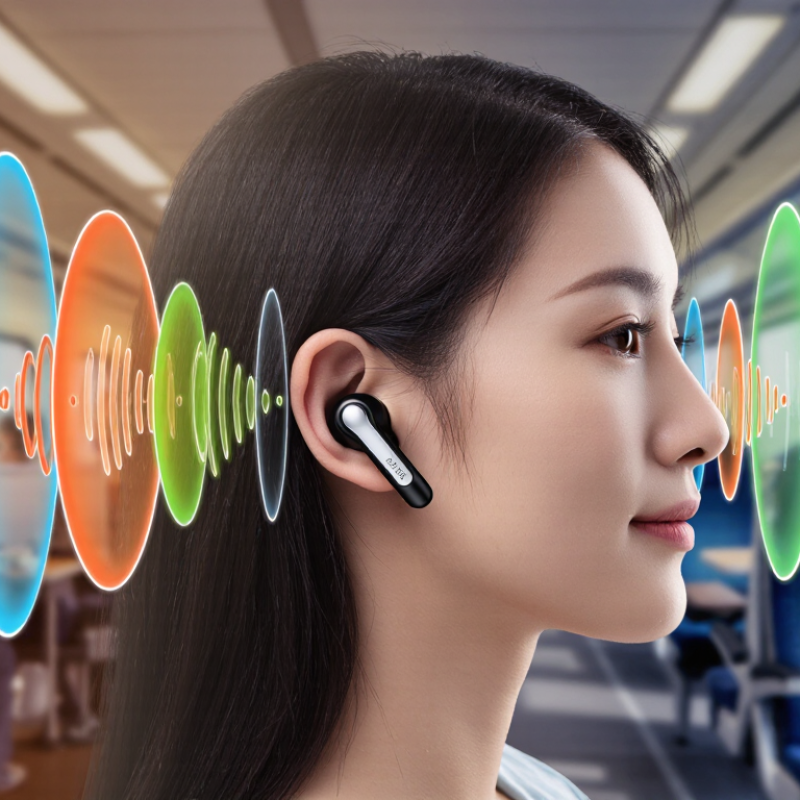
Adaptive ANC is a noise-control system that adjusts while you wear your earbuds. Tiny microphones pick up sound around you, and a processor analyzes changes in that sound. The earbuds then create an opposing sound wave to reduce some of the noise reaching your ears. The adjustment happens continually, not just once when you switch ANC on.
That matters on a bus. A steady engine rumble may be reduced well, while a nearby conversation can remain audible. As the engine pitch changes or you move into a quieter street, adaptive control can alter its response. Some systems also respond to how the earbuds fit, though the exact behavior varies. Passive isolation still does important work: the ear tips physically block sound. ANC works alongside that seal; it does not replace it.
In daily use, you may notice the background becoming less distracting rather than disappearing. Music can sound clearer at a lower volume, but sudden sounds and higher-pitched voices are harder to cancel consistently. Fit still matters. A loose seal can weaken both passive isolation and ANC, especially if glasses or movement create a small gap. Adaptive ANC can also feel different from moment to moment. That is useful, but not always seamless.
Adaptive ANC uses tiny microphones to sample surrounding sound. A digital signal processor (DSP) analyzes the signal and drives the speaker to produce an opposing waveform, often within milliseconds. Not magic. Cancellation tends to work better on steady, low-frequency sounds, like an air conditioner’s hum, than on sudden speech or clattering dishes. Timing and fit matter: even a small gap can let noise leak toward the ear.
In hybrid designs, one microphone listens outside the earbud while another measures sound inside; adaptive filters adjust as noise and fit change. Results still vary with ear shape and movement. WHO’s 2021 World Report on Hearing estimated that over one billion people aged 12–35 risk hearing loss from unsafe listening practices. NIOSH recommends limiting occupational noise exposure to 85 dBA over eight hours; for each 3 dB increase, its recommended exposure time halves. These figures describe hearing risk, not ANC performance. Adaptive cancellation can make listening more comfortable, but it cannot make every environment quiet or replace sensible volume levels.
Sources: WHO, World Report on Hearing (2021); NIOSH, Criteria for a Recommended Standard: Occupational Noise Exposure.
Adaptive ANC changes its noise-cancelling response as the sound around you shifts. The system listens through microphones and adjusts the anti-noise signal, which is designed to reduce unwanted sound. A bus engine may produce a steady low hum; nearby voices are less predictable. The adjustment happens continuously, though it cannot erase every sound.
Feedforward ANC uses microphones on the outside of the earbuds. They detect noise before it reaches your ear, giving the system a chance to respond early. This can work well for steady sounds, but wind hitting an outer microphone may confuse it. Feedback ANC uses microphones inside the earbud to measure what remains near your ear. It can respond to changes in the actual fit, but results depend on a good seal. Small changes matter.
Hybrid systems combine both microphone positions. The outside microphones anticipate incoming noise, while the inside microphones check how much sound gets through. If an earbud shifts while you walk, feedback may help correct the change; feedforward still tracks the surrounding environment. Adaptive processing can also vary its response rather than applying one fixed setting. The trade-off is that microphone placement, fit, and processing quality all affect what you hear. Honestly, “adaptive” does not mean perfect: a sudden clatter can still get through, and the adjustment may feel subtle rather than dramatic.
| ANC system | Microphone placement and role | How noise cancellation works | Typical strengths | Typical limitations | How adaptation may be used |
|---|---|---|---|---|---|
| Feedforward ANC | An outward-facing microphone samples sound outside the earbud. | The processor uses the incoming sound to create an opposing signal before much of that noise reaches the ear. | Can respond to changing outside noise; does not require an internal microphone to measure sound at the ear. | Performance can be affected by wind, microphone placement, and differences in how the earbud fits. It cannot directly measure the sound remaining in the ear canal. | The system may adjust its filter or operating level as the measured external noise changes. |
| Feedback ANC | An inward-facing microphone measures sound inside the earbud, near the ear canal. | The processor uses the measured residual sound to refine the cancellation signal. | Can account for some changes caused by fit, seal, and the earbud’s acoustic output because it monitors sound inside the ear. | Its response is constrained by the driver, microphone, processing delay, and the need to keep the control system stable. | The system may update cancellation based on the residual sound detected inside the earbud. |
| Hybrid ANC | Uses both outward-facing and inward-facing microphones. | Combines an external reading of incoming noise with an internal reading of the sound remaining at the ear. | Provides information from both sides of the earbud, which can help the system manage a wider range of listening conditions. | Requires more components and signal processing; results depend on microphone design, tuning, fit, and implementation. | The processor can use both microphone signals to adjust cancellation as outside noise or the in-ear acoustic conditions change. |
| Adaptive control (a feature, not a separate microphone layout) | May be implemented with feedforward, feedback, or hybrid ANC, depending on the design. | Automatically changes ANC settings or filters in response to detected conditions; the specific signals and adjustments vary by product. | Can reduce the need for manual changes when the listening environment shifts. | “Adaptive ANC” does not describe one standard algorithm, and adjustment behavior differs across designs. | Possible inputs include measured ambient sound or changes in the in-ear signal. Some systems also offer user-selected ANC levels or modes. |
Note: These are general design characteristics, not guarantees of performance. Actual noise reduction depends on the earbud’s acoustic design, fit and seal, signal processing, and the type of noise.
Adaptive ANC uses microphones to monitor nearby sound and adjust noise cancellation as conditions change. In earbuds, this can help when a bus engine drones steadily, then the surrounding noise shifts. The adjustment is useful, but it cannot erase every sound.
A stated reduction of 20–30 dB is a measurement, not a promise that the world will seem silent. Results vary with earbud fit, sound frequency, and testing conditions. Low, steady rumble may fade noticeably, while a nearby voice, keyboard tap, or sharp announcement can remain clear. A loose seal may also weaken cancellation. Numbers help compare performance, but they do not describe every listening moment. I still find real-world comfort harder to predict than a lab figure.
Tips: Check that the earbuds sit snugly, then try them with familiar sounds, such as a fan or traffic outside a window. Keep volume moderate; ANC reduces background noise, but it does not protect hearing at high playback levels. Notice whether voices become clearer or merely less distracting. That distinction matters.
Adaptive ANC is only useful when the earbuds seal well. Test them with the same tips and a familiar low-frequency sound, such as bus rumble. Walk, talk, and chew; movement can loosen the fit and change noise reduction. A quiet room alone is a poor test. Adaptive systems may react differently as surroundings shift, so compare performance in steady noise and sudden changes. The result can feel uneven.
Battery life needs a real-world check. Record playback time with ANC on, then repeat at similar volume with ANC off. Keep the route and listening settings consistent. Manufacturer figures may use different test conditions, so treat them as a guide, not a promise. Note whether the earbuds stay comfortable before the battery runs low. Small differences matter.
Transparency should preserve speech and nearby cues without making voices harsh or wind unnaturally loud. Test it near a conversation, then outdoors in a safe place. Do not assume it replaces attention to traffic. For listening safety, the WHO-ITU safe-listening standard sets an adult reference allowance of 80 dBA for 40 hours weekly. ANC can reduce the urge to raise volume, but it does not guarantee safe levels. Check volume habits, not just the feature. That test is imperfect, but useful.
It uses microphones and a processor to adjust noise reduction as surrounding sounds change. It keeps listening.
No. A steady bus rumble may fade, while nearby voices or sharp announcements can remain audible. The background may feel less distracting, not silent.
A snug ear tip helps block sound and supports ANC. Glasses, walking, or a loose fit can create gaps. Small gaps matter.
Feedforward microphones detect sound outside the earbuds. Feedback microphones measure sound remaining near your ears. Both depend partly on fit.
It combines outside and inside microphones. One anticipates noise; the other checks what gets through. Sudden clatter can still slip past.
It describes a measured reduction, not guaranteed silence. Results vary with fit, sound frequency, and testing conditions. Numbers do not tell the whole story.
No. Low, steady engine rumble is often reduced more consistently. Voices, keyboard taps, and higher-pitched sounds may remain clear.
Yes. Wind striking an outside microphone may confuse its response. The change can feel subtle, too. I still find real-world results harder to predict than a lab figure.
Keep playback moderate. Try the earbuds with familiar sounds, like a fan or traffic outside a window. ANC is not hearing protection.
Adaptive ANC Earbuds use microphones and digital signal processing to respond to surrounding sounds in real time. Unlike passive isolation, which mainly relies on the physical seal of the ear tips, active noise cancellation creates opposing sound waves to reduce unwanted noise. Feedforward systems listen outside the ear, feedback systems monitor sound inside it, and hybrid designs combine both approaches to adapt across different listening environments.
Noise reduction of around 20–30 dB can make steady sounds, such as ventilation or engine hum, less noticeable, though results vary with fit, sound frequency, and surroundings. To assess adaptive ANC, consider how securely the earbuds fit, how effectively cancellation adjusts, and how long the battery lasts with ANC enabled. Transparency mode can help you hear nearby sounds when needed, while careful listening levels and awareness of your environment support comfortable, safer use.