Choosing the right Dual-Coaxial Headphones requires more than reading a specification sheet. These designs place two drivers on one acoustic axis, aiming for cleaner phase behavior, sharper imaging, and more controlled detail. In practice, results vary. A clever layout cannot rescue a poor seal, harsh tuning, or weak mechanical construction.
Dr. Sean Olive, a respected headphone researcher and former Harman audio scientist, has said, “The goal of headphone design is to reproduce the sound of a high-quality loudspeaker in a room.” That principle guides this selection. Each model should be judged by measurable response, distortion, comfort, isolation, and real listening performance. Bass should feel firm rather than inflated. Voices should remain natural at low volume. Cymbals should reveal texture without turning brittle.
This Top 10 Dual-Coaxial Headphones guide compares models for different listeners, budgets, and listening habits. Testing should include familiar tracks, spoken audio, acoustic recordings, and demanding electronic music. A five-minute audition is not enough. Head shape, glasses, ear size, and amplifier pairing can change the result.
No ranking is flawless. Personal preference still matters. I may value a balanced midrange more than a powerful bass response. Another listener may disagree, and that is reasonable. The strongest recommendations will explain their compromises clearly, rather than treating every technical feature as a guarantee. Expect practical details, careful comparisons, and a few conclusions that deserve further testing.
Dual-Coaxial Headphone Technology: Drivers, Crossovers, and IEC 60268-7
Top 10 Dual Coaxial Headphones Worth Buying?
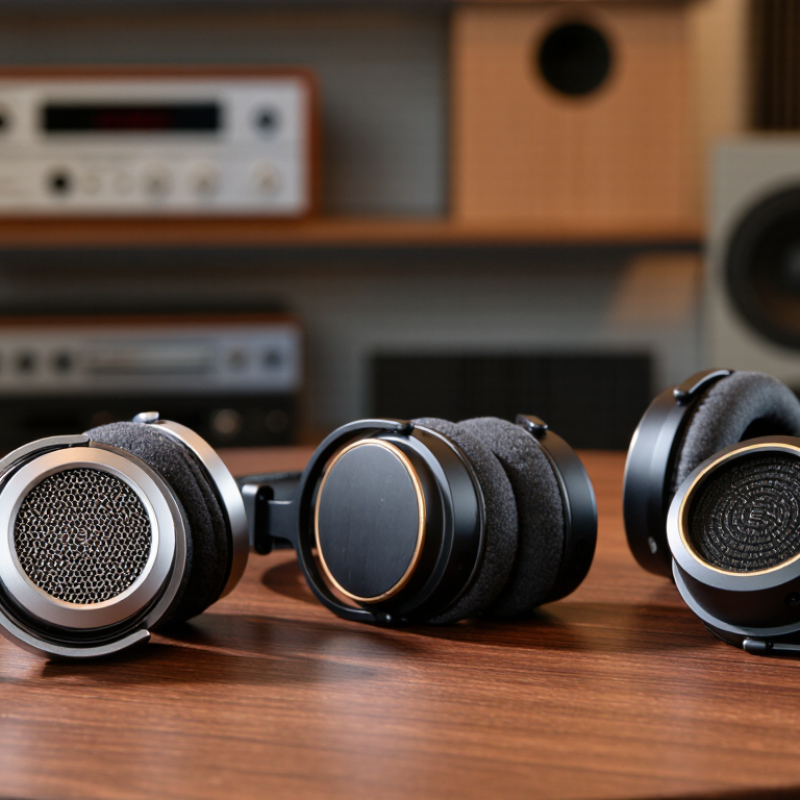
Dual-coaxial headphones place two drivers on one acoustic axis. Usually, a larger driver handles bass and midrange, while a smaller driver reproduces treble. A crossover divides their workload. This arrangement can improve imaging because both sound sources reach the ear from nearly the same position. However, integration matters more than driver count. Poor crossover design may create a sharp upper-midrange peak or uneven phase response. Listening tests should include voices, cymbals, and quiet room ambience.
IEC 60268-7 provides measurement methods and requirements for headphones and earphones. It helps assess frequency response, sensitivity, impedance, distortion, and related performance. These results require suitable fixtures, couplers, and a consistent ear seal. Small fit changes can alter bass dramatically. The standard supports reliable comparison, but it does not certify musical enjoyment or overall product quality. A headphone can measure smoothly yet feel uncomfortable after thirty minutes. I would not treat one graph as final evidence. Human hearing, fit, and recorded material still complicate the decision.
Tips: Check the crossover region around the driver handoff. Listen for voices becoming hollow or cymbals sounding detached. Compare measurements made with similar equipment. Test several ear positions. Also inspect cable strain relief and pad comfort, because excellent drivers cannot fix poor everyday ergonomics. No design is perfect.
FAQS
It places two drivers on one acoustic axis. This may improve treble alignment, imaging, and phase consistency. Better sound is not guaranteed.
Start with frequency response. Look for smooth transitions between 1 kHz and 5 kHz. Sharp peaks may make vocals aggressive or cymbals brittle.
Sensitivity shows potential loudness, while impedance affects amplifier demands. A low-impedance headphone may still need clean current delivery. Numbers can mislead.
Lower total harmonic distortion usually supports clearer playback at louder levels. However, distortion figures cannot describe comfort, tonal preference, or personal taste.
Ear-pad pressure, coupler design, and calibration can change the graph. Compare results only when testing methods are reasonably similar.
Comfort deserves serious weight. Listen for ten minutes before judging. Check heat, clamping force, pad softness, and pressure near the ears.
Listen for vocal focus, crossover smoothness, bass pressure, and treble fatigue. One hour can change an early opinion. Mine sometimes does.
Move the hinges gently and inspect cable strain relief. A durable frame should flex slightly without creaking. Headbands should not feel brittle.
No. Head shape, glasses, ear-pad seal, and music style affect results. Published measurements may omit fit uncertainty. That gap matters.
Check both units when possible. Sample variation exists. Compare channel balance, bass extension, comfort, and stereo placement under similar conditions.
Conclusion
This guide explores how Dual-Coaxial Headphones combine two coaxially aligned drivers to deliver clearer separation, smoother transitions, and a more coherent listening experience. It explains the role of driver design, crossover integration, and IEC 60268-7 measurement principles, helping readers understand how headphone performance can be evaluated objectively. Key buying metrics include frequency response, impedance, sensitivity, and total harmonic distortion (THD), with practical advice on interpreting each specification.
The article also presents a structured method for comparing dual-coaxial models through standardized measurement data rather than relying only on subjective impressions. Ten headphones are ranked according to sound quality, comfort, and durability, while their strengths are considered across studio monitoring, hi-fi listening, gaming, and travel. Whether accuracy, immersive detail, long-term comfort, or portability is the priority, this overview helps readers identify the most suitable option for their listening needs.