0%

Choosing Open-Ear Wireless Earbuds for global buyers requires more than comparing prices and battery claims. These earbuds rest near the ear instead of sealing the canal, so comfort, awareness, and sound balance become closely connected. A reliable choice should support clear calls, stable Bluetooth performance, and comfortable listening during commuting, office work, or outdoor exercise. Fit matters.

Regional needs can change the buying decision. A cyclist may value traffic awareness, while an office worker may need focused voices and low sound leakage. Check the product’s tested battery performance, microphone quality, charging case, and water-resistance rating. Marketing descriptions can sound impressive, but real use may tell a different story. That is where independent reviews, user feedback, and hands-on testing become valuable. Look for transparent specifications and verified certifications relevant to the destination market.

Global buyers should also examine warranty coverage, return procedures, language support, and shipping reliability. A low-cost model may become expensive if replacement parts are unavailable. Some products fit securely on one ear but feel loose on the other. This small issue is often overlooked. No single model wins everywhere. Buyers should compare ear shape, climate, daily routines, phone compatibility, and local service options before ordering. Professional testing helps, but personal experience still matters. Even careful recommendations can miss differences in comfort or call quality. Treat this guide as a practical starting point, not an absolute verdict. Good purchasing decisions come from checking evidence, noticing limitations, and matching features with real-world needs.
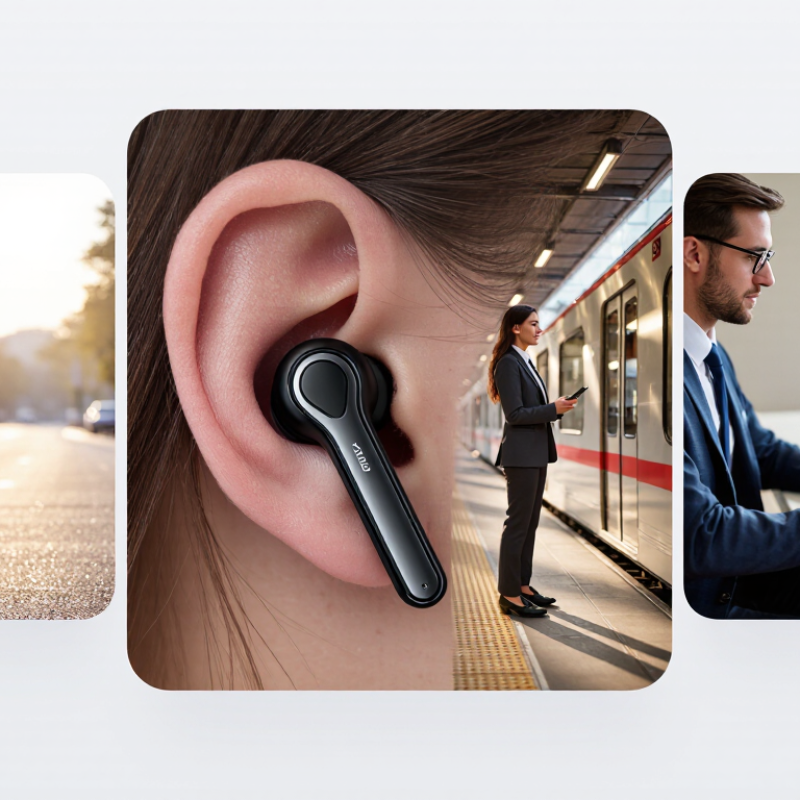
How to Choose Open Ear Wireless Earbuds for Global Buyers?

Define Open-Ear Wireless Earbuds and Their Main Listening Technologies

Open-ear wireless earbuds let sound reach the listener without sealing the ear canal. A small speaker sits near the ear, leaving the ear partly uncovered. This design can make it easier to hear nearby voices, traffic, or a doorbell while listening. It does not guarantee perfect awareness, though. Loud playback can still mask important sounds.

Most models use air conduction: tiny drivers send sound through the air toward the ear. Some use bone conduction, with transducers resting near the cheekbones and passing vibrations toward the inner ear. Each approach feels different. Air-conduction designs may offer fuller bass, while bone-conduction models keep the ear canal clear. Directional audio can reduce sound escaping outward, but it cannot eliminate leakage in every setting. Fit, volume, and surroundings all matter.

Tips: Check comfort after a short walk, not just during a quick shop test. Compare speech clarity at low volume, and notice whether the device shifts when you turn your head. Ask about battery life, microphone performance, and water resistance for your intended use. Specifications help, but real comfort varies between people.

Match Earbud Design with Comfort, Fit, and Everyday Use

How to Choose Open Ear Wireless Earbuds for Global Buyers?

Open-ear earbuds should feel secure without pressing hard against the outer ear. Compare hook, clip, and lightweight frame designs, then consider how they sit with glasses or a hat. Small details matter. A design that feels comfortable at a desk may shift during a brisk walk. Test both ears, since fit can differ slightly from side to side.

Fit is personal, not a simple size chart. Look for adjustable contact points and a stable position that does not need constant readjustment. The WHO-ITU Global Standard for Safe Listening Devices recommends a weekly sound allowance of 80 dB for 40 hours for adults. Open-ear designs do not automatically make listening safer; noisy streets may tempt users to raise the volume. Comfort and awareness both deserve attention.

Tips

Try the earbuds for 20 minutes before judging the fit. Walk, turn your head, and speak aloud. Check for pressure, slipping, or sound that feels thin on one side. If one adjustment improves stability but creates a sore spot, reconsider the design rather than forcing it. A small compromise may be acceptable, but persistent discomfort is useful feedback.

Compare Sound Quality, Battery Life, and Wireless Performance

Open-ear wireless earbuds should be judged by how they sound during ordinary listening, not only in a quiet showroom. Their drivers sit outside the ear canal, which helps you hear nearby sounds but can make bass feel lighter. Listen to a familiar track with clear vocals and steady low notes. Check whether voices sound natural and whether details remain audible at a moderate volume. A quick demo can mislead, so compare more than one track.

Battery figures usually describe ideal conditions. Volume, calls, and connection strength can shorten real playback time. Look for a charging case that fits your routine, and check how long the earbuds take to recharge. Wireless performance matters too. Walk between rooms with your phone in a pocket, then try a brief call in a busy space. Notice dropouts, voice clarity, and any delay when watching video. Local surroundings differ, so one test cannot predict every daily situation.

Tips: Compare earbuds at similar volume. Check playback time with your usual settings. Test both earbuds separately, too. Small fit changes can affect sound and call pickup; I sometimes find the first fit is not the best one. Don’t rely on one impressive specification.

Check Durability, Safety Features, and Regional Compatibility

For global buyers, durability should be verified, not guessed from a smooth finish. Look for a published ingress-protection rating tested under IEC 60529. An IPX4 rating indicates resistance to splashing, but not immersion, salt spray, or soap. Check the charging case, too; its protection may differ from the earbuds.

Small details matter. A loose charging-port cover can collect grit during a beach walk.

Open-ear design does not automatically make listening safe. WHO’s 2021 World Report on Hearing estimates that 1.5 billion people live with hearing loss, with that number projected to reach 2.5 billion by 2050.

The WHO-ITU safe-listening standard recommends features such as sound-dose tracking and volume guidance. Look for adjustable volume limits, clear alerts, and controls that work without opening an app.

I still find touch controls awkward with gloves.

Regional compatibility takes a real-device check. Bluetooth SIG’s 2024 Market Update forecasts 7.6 billion Bluetooth device shipments annually by 2028, making reliable cross-device pairing increasingly important.

Confirm support for your phone’s Bluetooth profiles, operating system, and local app availability. Also check the supplied cable, warranty coverage, and spoken instructions.

A feature list can look perfect on paper. Test pairing before ordering in bulk.

Evaluate Brands, Pricing, Warranty, and Global Purchasing Support

Open-ear earbuds suit buyers who want awareness of nearby sounds, but fit varies with ear shape. IDC’s Worldwide Quarterly Wearable Device Tracker reported 534.6 million wearable-device shipments in 2024, up 6.1% year over year. That broad growth signals a busy category, not proof that every open-ear model performs well. Comfort is personal. Compare sound leakage, microphone clarity, battery life, and fit during a real call—not only on a specification sheet.

Assess suppliers by consistency and evidence: request sample units, test them outdoors, and ask how production quality is checked. Compare total landed cost, including freight, minimum order quantities, payment terms, and replacement parts. A low unit price can become expensive when shipping or defects are added. No checklist is perfect; sample testing takes time, but skipping it can cost more.

Global support deserves equal weight. DHL’s 2024 E-Commerce Trends Report found that 81% of shoppers may abandon a purchase when preferred delivery options are unavailable, while 79% may leave when returns are inconvenient. These consumer findings are useful warning signs for procurement teams, too. Ask for written warranty duration, claim steps, response times, and service coverage by destination. Confirm who pays return freight and whether replacement stock is available locally. A clear answer matters.

How to Choose Open Ear Wireless Earbuds for Global Buyers? – Evaluate Brands, Pricing, Warranty, and Global Purchasing Support
Evaluation Dimension What to Check Typical Market Reference Global Buyer Action
Product fit and comfort Check ear-hook or clip design, weight, pressure points, and stability during movement. Open-ear designs leave the ear canal uncovered, but comfort still depends on individual ear shape. Fit and comfort are subjective; product photos and weight alone cannot confirm a secure fit. Review return terms and, where possible, test the fit before placing a large order.
Audio and microphone Compare listening quality, call performance, microphone noise reduction, and sound leakage at the intended volume. Open-ear products allow awareness of surrounding sounds, but generally provide less isolation and may leak more sound than sealed in-ear designs. Request call samples or independent test results in quiet and noisy environments; avoid relying only on feature claims.
Battery and charging Compare stated listening time per charge, total time with the case, charging connector, and recharge time. Published battery life is usually measured under specified test conditions; volume, calls, and connection features can change real-world results. Ask for the test conditions behind battery figures and confirm whether the package includes a charging cable.
Water and dust protection Look for a clearly stated IP rating and confirm which parts of the product are covered. Under the IP Code, IPX4 indicates protection against splashing water, while IPX5 indicates protection against water jets. Neither rating means the product is suitable for immersion. Request test documentation and check care instructions; do not assume the charging case has the same rating as the earbuds.
Bluetooth and device compatibility Check supported Bluetooth profiles, pairing behavior, multipoint support if needed, and compatibility with the buyer’s phones and computers. A Bluetooth version number alone does not guarantee a particular connection range, sound quality, or feature set; implementations and surroundings matter. Test with the actual devices and operating systems used in target markets, including any required companion app.
Brand and supplier reliability Assess product documentation, consistent specifications, quality-control procedures, traceability, and the supplier’s ability to handle defects. A polished listing is not proof of quality or authorized market access. Documentation and verifiable support processes provide stronger evidence. Request product samples, written specifications, applicable conformity documents, and a documented process for returns and replacements.
Price and total landed cost Compare unit price alongside shipping, insurance, import duties, taxes, payment fees, and expected after-sales costs. Retail pricing varies widely by features, sales channel, and region. The lowest unit price does not necessarily mean the lowest delivered cost. Obtain a written quote that states currency, shipping terms, minimum order quantity, lead time, and which taxes or duties are excluded.
Warranty and returns Confirm warranty duration, covered defects, exclusions, proof-of-purchase requirements, repair or replacement options, and return shipping responsibility. Warranty coverage and statutory consumer rights vary by seller, product, and country. A warranty may not replace local legal protections. Get the applicable terms in writing for each destination and identify the service address or authorized repair route.
Global compliance and packaging Check destination-market requirements for radio equipment, product safety, labeling, battery transport, and packaging disposal. Requirements differ across jurisdictions and may depend on the product, importer, and sales channel. A mark or certificate for one market may not satisfy another market’s rules. Confirm requirements with the local importer or a qualified compliance professional before shipment; request documents relevant to the destination.
Purchasing and after-sales support Evaluate response times, supported languages, spare-part availability, order tracking, and the process for handling damaged or missing goods. Cross-border orders can involve customs clearance, longer delivery times, and additional return shipping steps. Confirm the contact channel, delivery estimate, shipment responsibilities, and escalation process before payment.

Note: Market references are general guidance. Confirm current specifications, prices, warranty terms, and destination-country requirements with the seller and relevant authorities.

FAQS

How should open-ear earbuds fit?

They should stay secure without pressing hard on the outer ear. Try them for 20 minutes.

What should I check while testing the fit?

Walk, turn your head, and speak aloud. Notice pressure or slipping. Both ears may fit differently.

Can I wear them with glasses or a hat?

Check whether hooks, clips, or frames press against them. A comfortable desk fit may shift on a brisk walk.

Do open-ear earbuds always sound bass-heavy?

Not necessarily. Drivers sit outside the ear canal, so bass may feel lighter. Try a familiar song with steady low notes.

How can I compare sound quality?

Listen to clear vocals and fine details at similar volumes. One quick demo can mislead.

How much playback time should I expect?

Published figures may reflect ideal conditions. Calls, volume, and weak connections can shorten playback. Real use varies.

How can I test wireless performance?

Keep your phone in a pocket and walk between rooms. Try a short call in a busy space, too.

Are open-ear earbuds automatically safer for listening?

No. Street noise may tempt you to raise the volume. Comfort matters, but it is not a safety guarantee.

What listening guidance is mentioned in the article?

It cites a weekly allowance of 80 dB for 40 hours for adults. That guideline is worth considering, though personal listening habits differ.

Conclusion

Choosing Open-Ear Wireless Earbuds for global buyers starts with understanding how open-ear designs keep the ear canal uncovered and how their listening technologies deliver sound while allowing awareness of your surroundings. Consider how the shape, weight, and fit suit your ears and daily activities, since comfort and stability can vary from person to person. Compare sound clarity, battery life, charging options, and wireless connection reliability to find a balance that meets your listening habits.

Before purchasing, review durability, water resistance, safety features, and compatibility with devices and charging standards in your region. Also compare pricing, warranty terms, return options, and the availability of customer support for international purchases. A careful evaluation of these factors can help you choose earbuds that feel comfortable, perform reliably, and fit your needs without focusing on any single feature alone.

Elowen

Elowen

Elowen is a dedicated marketing professional with a strong understanding of modern business strategy, customer needs, and digital communication. As a key member of the company’s marketing team, Elowen regularly contributes insightful articles to the company website, sharing practical knowledge......