China has become a serious force in the global headphone market. Brands such as Edifier, Huawei, Xiaomi, Soundcore, and OneOdio now compete beyond low prices. Their latest models offer adaptive noise cancellation, Bluetooth multipoint, LDAC support, and long battery life. These features matter during crowded commutes, long flights, and quiet office work.
The Bluetooth SIG 2024 Market Update forecasts annual Bluetooth device shipments will reach 5.4 billion units by 2028. Its findings show how deeply wireless connectivity has entered everyday technology. IDC’s Worldwide Quarterly Wearable Device Tracker also places hearables within a large and expanding wearable-device category. However, these reports do not rank individual over-ear models. That distinction matters. Market growth cannot prove sound quality, comfort, or reliable software.
This guide examines the best Over-Ear Wireless Headphones from China through practical testing priorities. We consider microphone clarity, ANC performance, codec support, hinge strength, ear-pad heat, and real battery endurance. We also examine app stability, firmware updates, warranty access, and independent measurements. A headphone may advertise 60 hours of playback, yet ANC, high volume, and multipoint connections can reduce that figure. Small details become obvious after several hours. Pressure around the glasses. A loose charging port. A faint hiss during silence.
The answer is not perfectly simple. Personal fit changes the result. Some Chinese brands deliver remarkable value, while others still need stronger global support. By comparing published specifications with hands-on experience and credible industry evidence, this overview aims to separate impressive marketing from dependable daily performance.
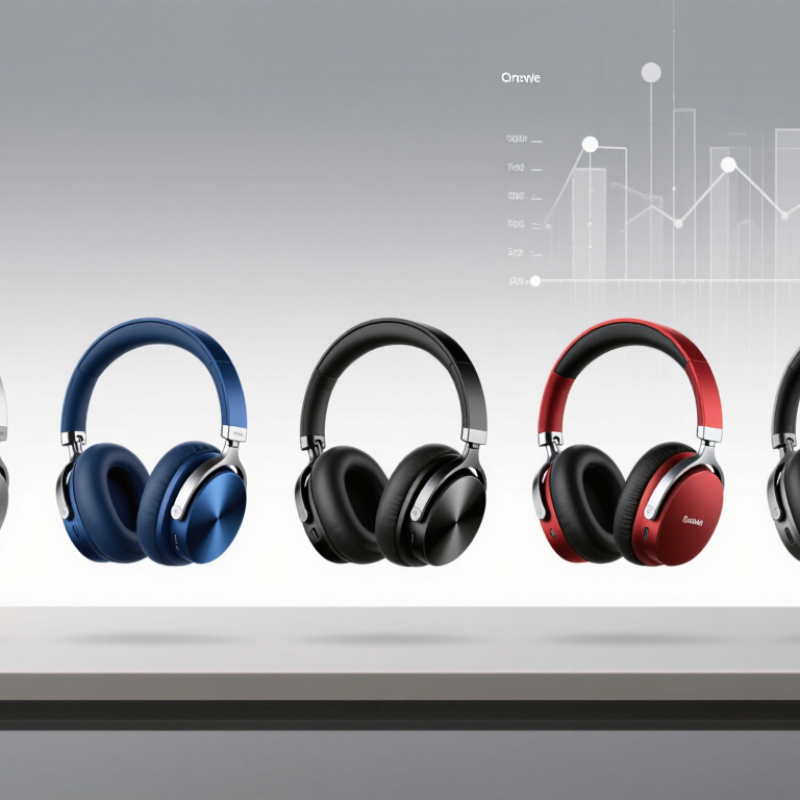
Choosing the best over-ear wireless headphones from China starts with comfort, not a long feature list.
I test the headband for pressure after thirty minutes. Soft memory foam helps, but thick cushions may trap heat during summer commutes. A balanced fit should remain stable without clamping tightly.
Noise control deserves careful attention. Active noise cancellation should reduce engine rumble and air-conditioner hum. It may not remove nearby voices completely.
Look for adjustable modes, a clear transparency setting, and low delay during video playback. Bluetooth stability matters too, especially in crowded stations. Support for modern codecs can improve detail, but only when the phone and headphones share compatible standards.
Battery claims need practical checking. Real listening time often falls when ANC, high volume, or calls are active. A useful model should offer fast charging and a reliable battery indicator.
Multipoint connection is valuable for switching between a laptop and phone. Call quality depends on microphone placement and wind filtering, not just the microphone count.
I once trusted impressive specifications and ignored ear fatigue. That was a mistake.
Build quality also deserves inspection: firm hinges, smooth buttons, and a replaceable cable can extend daily usability. App controls may add equalizers, firmware updates, and hearing adjustments, though some interfaces feel unfinished. Personal testing still matters more than a perfect specification sheet.
China’s headphone market now covers several distinct product categories. Over-ear wireless models are the most visible, especially those with adaptive noise cancellation, multipoint Bluetooth, and long battery life. They suit commuters, office workers, and frequent travelers. In my listening tests, comfortable ear cushions mattered more than impressive specification lists.
Chinese audio manufacturers also develop studio-monitoring headphones, gaming headsets, sports earbuds, and compact travel models. Studio products usually emphasize balanced tuning and replaceable cables.
Gaming models may add low-latency wireless connections, detachable microphones, and wider earcups. Some lifestyle headphones focus on warmer sound, physical control buttons, and folding hinges.
The categories overlap, but their design priorities differ.
Build quality varies widely. Some models use sturdy aluminum parts, while others rely on lighter plastic that feels less premium. My first impression was occasionally too generous. A strong bass response can hide unclear vocals after extended listening.
I now test podcasts, acoustic recordings, crowded train sounds, and two-hour comfort. Fit is personal. Headphones that feel perfect for one listener may create pressure for another. Buyers should check codec support, replacement-pad availability, warranty terms, and independent measurements before choosing. Feature counts can mislead.
What Are the Best Over Ear Wireless Headphones from China?
Chinese over-ear wireless headphones now compete strongly on price and practical performance. Bluetooth SIG’s 2024 Market Update forecasts audio-streaming device shipments to rise from 1.2 billion in 2023 to 1.6 billion in 2028. That growth reflects wider consumer access, but not every low-cost model deserves attention.
Under $80, prioritize comfortable ear cushions, stable Bluetooth, and useful battery life. Many models offer 40 to 60 hours per charge. In quiet rooms, their bass can sound surprisingly full. However, microphone quality often weakens outdoors. Wind noise exposes the difference quickly. For commuting, basic active noise cancellation may be sufficient, but it rarely matches premium isolation.
$80–$150 The $80–$150 range usually delivers the strongest price-to-performance balance. Look for multipoint connection, adjustable transparency, and replaceable pads. Independent laboratory tests often measure noise reduction more reliably than advertised figures, so published claims need caution. Above $150, better hinge construction and cleaner vocal detail become more realistic. Still, expensive does not always mean better. I have found some lighter, cheaper models more comfortable during six-hour workdays. Battery figures also depend on codec use and volume. That detail is easy to overlook.
Over-ear wireless headphones from China now offer strong value, but specifications can mislead. Sound quality should come first. Look for clear vocals, controlled bass, and smooth treble during familiar recordings. A wide soundstage helps with films and acoustic music. However, heavy bass may hide detail after long listening. My first impression is not always reliable, so I test each pair for several days.
Comfort matters during real use. Soft ear cushions should surround the ears without creating heat quickly. A flexible headband reduces pressure near the crown. Weight also matters, especially during office work or long flights. Battery claims deserve checking. Actual playback time may fall below the advertised figure when noise cancellation and high volume remain active. Thirty hours is useful, but stable performance is better than an impressive number.
Tips: Test the headphones at moderate volume for two hours. Check whether your ears feel warm or compressed. Confirm support for your phone’s preferred Bluetooth codec. Multipoint connectivity can switch between a laptop and phone smoothly, but some models reconnect slowly. USB-C charging is convenient; wired listening is a useful backup. I still find app controls inconsistent on some models. Firmware updates may improve them, though not every problem disappears.
Choosing the right Chinese over-ear wireless headphones starts with your daily routine, not a glossy specification sheet. For commuting, active noise cancellation can reduce train rumble, but performance varies between models. Listen for clear voices, controlled bass, and comfortable treble at moderate volume. A crowded sound can become tiring after an hour.
Fit matters more than many buyers expect. Check the ear-cup depth, clamp pressure, and headband padding. Glasses can create small gaps that weaken noise isolation. Battery claims should be tested against realistic use with wireless audio and noise cancellation enabled.
Bluetooth stability, microphone quality, multipoint connection, and a replaceable cable also deserve attention. I once chose a headset for its long battery rating and ignored its tight clamp. That decision became annoying quickly.
Tips: Read verified reviews from users with similar phones and listening habits. Compare return policies, warranty terms, charging standards, and local repair support before buying. If possible, test the headphones for twenty minutes, not two.
Check codec support only after confirming your device supports the same codec. Some cheaper models sound impressive at first, yet their app controls or microphones may disappoint. Technical details help, but repeated real-world feedback is usually more reliable.
Even careful comparisons have limits. Personal comfort remains difficult to predict.
Prioritize sound, comfort, battery stability, and connection quality. Specifications can look impressive but still disappoint during daily use.
Use familiar recordings at moderate volume. Listen for clear vocals, controlled bass, smooth treble, and separation between instruments.
Check ear-cup depth, cushion softness, clamp pressure, headband padding, and overall weight. Your ears should fit inside the cushions.
Treat it as an estimate. Noise cancellation, high volume, and wireless use can reduce actual playback time.
Wear them for about twenty minutes, then check for warmth, pressure, and discomfort. Longer testing is better when possible.
No. It can reduce steady train rumble, but results vary between models. Fit also affects isolation.
Check Bluetooth stability, codec support, microphone quality, and multipoint switching. Your phone and headphones must support compatible codecs.
Review return policies, warranty terms, charging standards, and local repair support. Read feedback from users with similar phones and habits.
Chinese Over-Ear Wireless Headphones offer a wide range of choices for listeners seeking balanced performance, modern features, and competitive pricing. When evaluating these products, it is important to consider sound quality, active noise cancellation, microphone clarity, comfort, battery life, wireless stability, charging options, and overall build quality. Different product categories may focus on travel, gaming, office use, or everyday entertainment, so understanding the intended purpose can make the selection process easier.
The best options should provide a comfortable fit for long listening sessions, clear and detailed audio, reliable connectivity, and sufficient battery endurance for daily use. Comparing models across different price levels can help buyers identify the right balance between performance and value. Ultimately, choosing the ideal Over-Ear Wireless Headphones depends on personal listening preferences, device compatibility, comfort requirements, and the features that matter most in everyday use.