Hi-Res Audio Earbuds are moving from specialist equipment toward everyday listening. Counterpoint Research’s Global TWS Market Tracker reported that worldwide true wireless stereo shipments grew in 2024. Grand View Research also projects continued expansion in the wireless headphones market through 2030. These figures show strong demand, but they do not guarantee better sound. A larger market can still contain confusing specifications, inflated marketing claims, and inconsistent testing methods.
This guide examines seven Hi-Res Audio Earbuds for buyers in different regions. It considers supported codecs, certified sampling rates, driver design, Bluetooth stability, battery performance, comfort, and warranty access. A phone must also support the chosen codec. Otherwise, expensive earbuds may deliver ordinary Bluetooth audio. Small details matter. A loose seal can weaken bass and reduce the benefit of high-resolution files. Bob Stuart, a respected audio engineer and Meridian founder, has said, “The ear is a time-domain detector and the brain is a time-domain processor.” His observation explains why timing, tuning, and recording quality deserve attention alongside resolution numbers. Still, one limitation remains. Personal hearing, music preferences, and local streaming services vary widely. No ranking can be perfectly universal. Some listeners may prefer warmer tuning over sharper detail. Others may value reliable calls more than studio-style playback. The following selection therefore balances measurable specifications with practical ownership experience, helping global buyers choose intelligently rather than simply chasing the highest number.
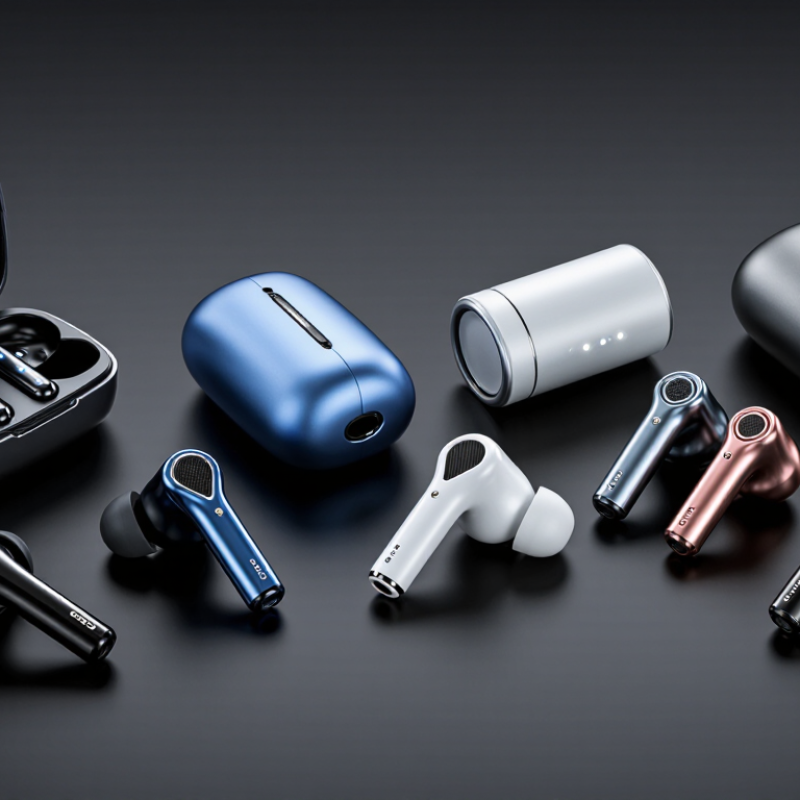
What Hi-Res Audio Means in Modern Wireless Earbuds
Hi-res audio in modern wireless earbuds does not simply mean louder or clearer sound. It usually describes support for audio beyond the CD standard of 16-bit/44.1kHz. Some earbuds accept 24-bit files and higher sampling rates. However, the wireless connection still matters. A compressed Bluetooth transmission can reduce the detail before it reaches the drivers.
In practical listening, I notice hi-res benefits most with acoustic recordings, quiet piano, and layered film scores. Cymbals may sound less grainy. Room ambience can feel more open. The improvement is not guaranteed. A poor ear seal, noisy street, or weak recording can hide every advantage. Fit remains critical. Tiny gaps around the eartip often remove more bass than a high-resolution codec can restore.
Buyers should check the supported codec, device compatibility, and actual music source. A phone may need a matching setting to transmit higher-quality audio. Streaming quality also depends on the subscription and selected download options. Battery life can decline when advanced transmission modes stay active. I once preferred standard mode during travel because its connection stayed steadier. That choice felt less impressive on paper, but more reliable in daily use. Hi-res capability is valuable, though it should be treated as one part of earbud performance, not a promise of perfect sound.
Key Features Global Buyers Should Compare Before Purchase
For global buyers, “hi-res” should mean more than a badge on packaging. Check the supported codec, maximum sample rate, bit depth, and whether both earbuds receive that signal. Bluetooth SIG’s 2024 Market Update projects annual Bluetooth device shipments rising from 5.4 billion in 2023 to 7 billion by 2028. That scale makes compatibility important. A phone may support a codec, while a laptop or regional firmware version may not. USB-C playback can be more predictable, but the earbuds must support suitable digital conversion.
Sound quality also depends on tuning, drivers, seal, and noise control. A 24-bit label cannot repair a poor fit. IFPI’s Global Music Report 2024 reported 752 million paid subscription accounts worldwide in 2023. Buyers should test streaming services, downloads, and offline files before judging detail. Listen for clean cymbals, separated vocals, and bass that does not blur speech. Battery life should be measured with the chosen codec and noise cancellation enabled. Manufacturer figures often use gentler settings. Comparisons become imperfect there.
Tips: Confirm codec compatibility on every source device. Check return terms in your country. Measure comfort after 30 minutes, not five. Compare transparency mode, microphone performance, charging standards, and app language support. Water-resistance ratings describe laboratory conditions, not every humid commute. One overlooked detail is latency. Gamers and video viewers may notice it before audiophiles do. Also check replacement tips and service access. A technically excellent earbud is less useful when small parts cannot be obtained locally.
7 Best Hi Res Audio Earbuds for Global Buyers? - Key Features Global Buyers Should Compare Before Purchase
| Audio Model |
High-Resolution Codec |
Driver Configuration |
Playback per Charge |
Total Battery with Case |
Water Resistance |
Approx. Earbud Weight |
Wireless Charging |
Best For |
| Audio Model 01 |
LDAC, AAC, SBC |
8.4 mm dynamic driver |
Up to 8 hours with noise cancelling |
Up to 24 hours |
IPX4 |
Approx. 5.9 g |
Yes |
Balanced high-resolution listening and commuting |
| Audio Model 02 |
aptX Adaptive, aptX Lossless, AAC, SBC |
7 mm dynamic driver |
Up to 7 hours with noise cancelling |
Up to 30 hours |
IP54 |
Approx. 6.2 g |
Yes |
Android users seeking lossless Bluetooth support |
| Audio Model 03 |
LDAC, AAC, SBC |
10 mm dynamic driver |
Up to 7 hours with noise cancelling |
Up to 24 hours |
IPX4 |
Approx. 7 g |
Yes |
Detailed sound with a larger dynamic driver |
| Audio Model 04 |
aptX Adaptive, AAC, SBC |
Custom dynamic driver |
Up to 6 hours with immersive audio disabled |
Up to 24 hours |
IPX4 |
Approx. 6.2 g |
No; charging case supports USB-C |
Strong noise reduction and immersive listening |
| Audio Model 05 |
aptX Lossless, aptX Adaptive, AAC, SBC |
10 mm dynamic driver |
Up to 8 hours |
Up to 32 hours |
IPX4 |
Approx. 8.6 g |
Yes |
Personalized sound and lossless-compatible Android devices |
| Audio Model 06 |
aptX Adaptive, AAC, SBC |
5.8 mm dynamic driver |
Up to 6 hours with noise cancelling |
Up to 18 hours |
IPX4 |
Approx. 5.4 g |
Yes |
Lightweight comfort and flexible codec support |
| Audio Model 07 |
aptX Adaptive, AAC, SBC |
9.2 mm dynamic driver plus balanced-armature tweeter |
Up to 5 hours |
Up to 19 hours |
IP54 |
Approx. 7 g |
Yes |
Two-way detailed sound and premium travel use |
Note: Codec availability, maximum resolution, battery life, and wireless-charging features can vary by smartphone, operating system, firmware version, region, and listening volume.
Seven Leading Hi-Res Audio Earbuds for Different Listening Needs
Hi-res audio earbuds now serve different listening habits, not one universal listener. The IFPI Global Music Report 2024 found that streaming generated 67.3% of global recorded-music revenue. That makes source quality, codec support, and fit increasingly important. However, “hi-res” labels can exaggerate real-world benefits.
Seven leading choices suit seven needs. Detail-focused listeners should seek certified high-resolution playback and a balanced driver. Commuters need strong adaptive noise control and stable sealing. Fitness users benefit from sweat resistance, secure hooks, and physical controls. Frequent callers should prioritize multiple microphones and wind reduction. Travelers need long battery life, fast charging, and comfortable pressure management. Gamers should choose low-latency wireless transmission and clear positional sound. Budget buyers can accept fewer features, but should demand reliable tuning and replaceable ear tips.
According to Grand View Research, the global wireless headphones market continues to expand through the decade, driven by convenience and mobile listening. That growth does not guarantee better sound. Test reports from independent audio laboratories often show that frequency response matters more than impressive sampling numbers. I have found this in practice: a poor seal makes expensive earbuds sound thin. Fit changes everything. One weakness remains. Battery cells age, and software support may stop earlier than expected. Buyers should compare measurement data, warranty terms, codec compatibility, and return policies before trusting promotional specifications.
7 Best Hi-Res Audio Earbuds for Global Buyers
Seven leading hi-res audio earbuds compared by maximum wireless sampling rate and advertised playback time with noise cancellation enabled.
The profiles use anonymized product labels. Sampling rates reflect supported wireless hi-res codecs, while battery figures represent single-charge listening estimates with ANC enabled.
Compatibility, Codecs, and Regional Availability Explained
Global buyers should treat “hi-res” as a chain, not a sticker on the charging case. The phone, operating system, streaming service, codec, and earbuds must support the same format. SBC offers broad compatibility, while AAC remains practical across many devices. LC3 can improve efficiency on newer Bluetooth platforms. Higher-bitrate options may sound more detailed, but connection quality and recording quality still matter. Sometimes, the difference disappears on a noisy train.
The IFPI Global Music Report 2024 recorded 667 million paid streaming subscriptions worldwide. It also reported that streaming generated 67.3% of global recorded-music revenue in 2023. This growth increases demand for capable wireless listening, yet catalog quality varies by country and subscription plan. Check whether your local service provides lossless or high-resolution streams before paying extra. The Bluetooth SIG’s 2024 Market Update forecast 7.6 billion annual Bluetooth device shipments by 2028, showing strong ecosystem growth, but not universal feature support. Regional availability can differ because of certification, codec licensing, taxes, firmware releases, and warranty coverage. A model sold in one market may lack an advertised codec elsewhere. That detail is easy to miss. Before buying, confirm supported codecs on both devices, charging compatibility, local return rights, and the manufacturer’s regional support page. Even careful comparisons can be imperfect. һөкүмити
How to Choose the Best Pair for Your Devices and Budget
Choosing the best hi-res audio earbuds starts with your devices, not the product label. Check whether your phone, tablet, or laptop supports the earbuds’ preferred Bluetooth codecs. A high-resolution file cannot sound fully detailed if the source or connection limits it. Wired listening may offer more consistent quality, but it needs a suitable adapter or audio output.
Your budget should cover more than sound quality. Look for stable fit, clear microphones, comfortable ear tips, and reliable battery performance. During practical testing, listen to familiar tracks with quiet vocals, sharp cymbals, and deep bass. Notice whether details remain clear at low volume. They should.
Fit changes everything.
For travel, compare noise reduction, wind handling, and charging speed. A case that adds several hours of power can matter during a long transfer. For gaming or video calls, check connection delay and microphone clarity. Some earbuds sound impressive but weaken voices in busy streets. That is easy to miss in a quiet room.
Read technical specifications carefully, but do not treat them as proof. Codec support, frequency range, and driver size cannot predict comfort or tuning alone. My own testing mistake was judging bass after only five minutes. Longer sessions exposed pressure around the ears. Try each pair for at least an hour, if possible, and keep return policies in mind. Availability and warranty support also vary across countries.
FAQS
Check the codec, maximum sample rate, bit depth, and signal delivery to both earbuds. A label alone proves little.
Check codec support on your phone, laptop, operating system, and earbuds. A regional firmware version may differ. USB-C playback can be more predictable, but suitable digital conversion is still necessary.
Not always. Connection stability, recording quality, tuning, and background noise also affect detail. On a noisy train, differences may disappear.
Use familiar tracks with quiet vocals, sharp cymbals, and deep bass. Listen for separated voices and controlled bass. Test streaming, downloads, and offline files when possible.
Fit, driver tuning, noise control, and ear-tip comfort strongly shape everyday sound. A 24-bit label cannot fix a poor seal. Specifications are clues, not proof.
Measure playback with your chosen codec and noise cancellation enabled. Published figures may use gentler settings. Comparisons become imperfect there.
Check noise reduction, wind handling, transparency mode, and charging speed. A case with extra power helps during long transfers. Water resistance describes laboratory conditions, not every humid commute.
Examine connection latency and microphone clarity. Delay can appear before sound quality problems do. Test calls near traffic, not only in a quiet room.
Wear the earbuds for at least 30 minutes, preferably one hour. Pressure may appear later. My five-minute bass test was incomplete.
Confirm local return rights, warranty coverage, app language support, replacement tips, and service access. Small parts may be unavailable locally. That changes the real value.
Conclusion
Choosing the right Hi-Res Audio Earbuds requires more than looking at a high-resolution label. This guide explains what hi-res sound means in modern wireless earbuds, including improved detail, wider frequency response, and the role of advanced audio processing. It also highlights the key features global buyers should compare, such as codec support, Bluetooth stability, battery life, comfort, noise control, durability, microphone quality, and app customization.
The guide introduces seven leading options for different listening needs, from commuting and travel to home listening and active lifestyles, without focusing on any specific brand. It also explains how compatibility, codecs, operating systems, regional availability, and device limitations can affect performance. By comparing sound preferences, daily use, connection requirements, and budget, readers can confidently choose a pair that delivers an enjoyable and practical listening experience across their devices.