Ear-Clip Wireless Earbuds are gaining attention because they stay outside the ear canal while leaving the ear open to surrounding sounds. That design can feel less intrusive on a walk or during a commute. It is not automatically more comfortable, though. A clip that presses on the outer ear may become noticeable before the battery runs low.
The Bluetooth SIG’s 2024 Market Update forecasts 1.4 billion annual shipments of Bluetooth audio-streaming devices by 2028. That figure covers more than earbuds, so it should not be read as an ear-clip sales forecast. Still, it shows how widely wireless listening has spread. Audio researcher Dr. Sean Olive’s headphone-preference research offers a useful reminder: sound quality is personal, and fit matters alongside tuning. A convincing demo cannot tell you how a clip will feel after an hour.
This guide compares seven options for buyers in 2026, focusing on comfort, stability, sound, battery life, and call performance. We look for details that matter in daily use: whether glasses compete for space, whether a clip shifts during a brisk walk, and whether voices stay clear beside traffic. Small differences can decide the purchase. Specifications help, but they cannot replace a careful fit check.
How Ear-Clip Wireless Earbuds Work and Who They Suit
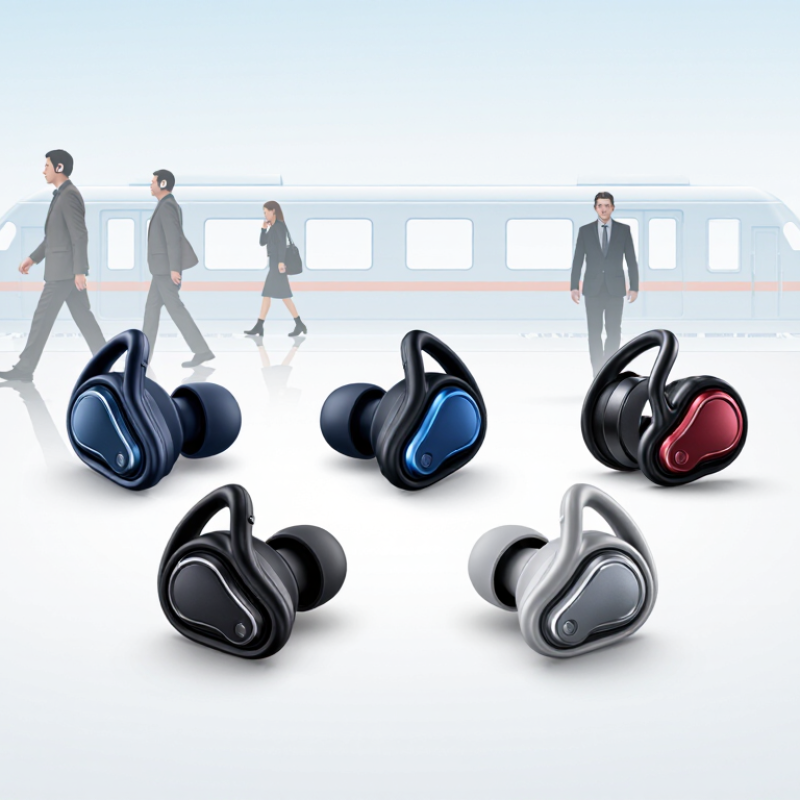
Ear-clip wireless earbuds hold onto the outer ear with a small curved hook or open clip. A speaker sits near the ear canal, so the design usually does not seal it like an in-ear tip. Sound travels directly toward the ear, while some surrounding noise remains audible. That can help during a walk or office work. It does not make them a substitute for hearing protection.
Fit matters more than the shape suggests. The clip should feel secure without pinching the cartilage, even after an hour. Try moving your jaw and turning your head; pressure may show up only after a little movement. People who dislike silicone tips may find this style easier to wear. Those with glasses, sensitive ears, or unusual ear shapes should check for contact points. Comfort varies. It is easy to assume one shape fits everyone.
Open designs can sound lighter in bass, and nearby people may hear audio in a quiet room. Before buying, check the weight, clip adjustment, button access, call microphone tests, and water-resistance rating. A useful test is listening to a voice recording at a moderate volume, then checking whether speech stays clear outdoors. Wind can still interfere with calls. Battery claims also depend on volume and use, so treat published figures as estimates, not guarantees.
Key Features to Compare Before Choosing a Pair
For ear-clip wireless earbuds, fit is more than a comfort detail. Check whether the clip rests securely without pinching; glasses, small ears, and long walks can change how it feels. Compare weight, hinge flexibility, and whether the contact points feel smooth. Tiny details matter.
Bluetooth SIG’s 2024 Market Update projects 7.1 billion annual Bluetooth device shipments by 2028. That is ecosystem context, not proof of sound quality. Compare Bluetooth stability, multipoint pairing, call-microphone performance, and battery life at a realistic volume. A short shop demo may not reveal pressure after an hour. I would treat advertised battery figures as best-case estimates, not guarantees.
Open-ear clips usually let in surrounding sound, which helps with awareness but can weaken bass in noisy places. Check for adjustable volume and easy-to-reach controls. WHO’s 2021 World Report on Hearing warns that over one billion young people risk hearing damage from unsafe listening. Keep listening levels comfortable, and look for clear volume controls. Also compare water-resistance ratings for sweat, not just splash claims. Fit is personal; online reviews cannot fully settle it.
Seven Ear-Clip Wireless Earbuds Worth Considering in 2026
Seven ear-clip wireless earbuds are worth comparing by fit, not just feature lists. Look for flexible hinges, soft contact points, stable controls, clear calls, and battery life that suits a commute. Fit matters. A clip that feels gentle in a shop may pinch after an hour; that small test is easy to overlook. Open-ear designs can keep you aware of nearby sounds, but they do not replace attention in traffic or crowded stations.
Grand View Research estimated the global wireless-headphones market at 65.83 billion dollars in 2023, with projected growth through 2030. That wider market trend makes careful comparison useful, though it does not prove every ear-clip model performs well. Compare the seven options across walking, desk work, and exercise, then check water-resistance claims and microphone performance in noisy places. Small details count. The WHO–ITU safe-listening standard recommends limiting adult listening to 80 decibels for up to 40 hours weekly. Clip comfort varies by ear shape, so treat published battery and fit claims as starting points, not guarantees.
How the Top Models Differ in Comfort, Sound, and Battery Life
Ear-clip wireless earbuds differ most in how they sit against the outer ear. A lightweight frame may feel easy during a short walk, while a tighter clip can stay secure during a brisk commute. Comfort is personal. Check whether the contact points press near the cartilage, especially if you wear glasses. A few minutes in a shop may not reveal pressure that builds after an hour. I would treat fit claims cautiously; ear shapes vary more than product descriptions suggest.
Sound depends partly on the open design. Since the ear canal stays uncovered, voices and traffic remain easier to hear, but bass may feel less forceful than with sealed earbuds. Some models emphasize clear speech for podcasts, while others provide fuller low notes for music. Try familiar tracks at a moderate volume. Small differences in fit can change perceived bass, so a quick demo is useful, not definitive.
Battery comparisons need context. Look for both single-charge listening time and the total available from the charging case. Calls, louder playback, and frequent reconnection can shorten real-world use. A stated maximum is not a promise. If you commute for an hour each way, check whether the earbuds last through that routine without relying on the case mid-day. Also consider how quickly the case recharges; a brief top-up can matter more than a large advertised total.
Which Ear-Clip Earbuds Best Match Different Buyer Needs
Ear-clip wireless earbuds suit buyers who dislike silicone tips or want to hear more of their surroundings. The best match depends on daily habits, not a crowded feature list. For walks, commuting, or shared offices, look for a stable clip and clear playback at moderate volume. Open designs can let outside sound through, but they do not replace attention to traffic or announcements.
For workouts, prioritize a secure fit, sweat resistance, and controls you can use with damp fingers. A loose clip may shift during a brisk run, while a tight one can become uncomfortable after an hour. Try wearing the earbuds with glasses if you use them; the arms and clips may compete for space. Small differences matter. Battery life also deserves a practical check: compare the stated listening time with your usual routine, and note whether the charging case fits in a pocket.
Call quality, comfort, and sound are harder to judge from specifications alone. Buyers who take frequent calls should seek independent microphone tests, especially in windy settings. Those who value music detail may prefer a model with adjustable sound, though equalizers cannot fix a poor fit. Fit is personal. A short trial at home can reveal pressure points that a product page will not. One compromise remains: ear clips keep the ear canal open, but bass and isolation may feel less powerful than with sealed earbuds.
FAQS
Check whether the clip stays secure without pinching. Compare its weight, hinge flexibility, and contact points.
They can be, but the clip and glasses arms may compete for space. Try both together, ideally for an hour. Fit varies.
Usually not. Outside sounds can remain audible, which may help with awareness. They do not replace attention to traffic or announcements.
Bass may sound weaker in noisy places than with sealed earbuds. Adjustable sound settings can help, but they cannot fix a poor fit.
Look for a secure clip, sweat resistance, and controls that work with damp fingers. A loose clip may shift during a brisk run.
Compare the stated listening time with your usual routine and volume. Treat advertised figures as best-case estimates. They are not guarantees.
Seek independent microphone tests, especially for windy settings. A quick indoor call may not reveal how well the microphone handles outdoor noise.
Keep the volume comfortable and choose easy-to-reach controls. Try a longer listening session before deciding. A short shop demo can miss pressure points.
Conclusion
Ear-Clip Wireless Earbuds offer an alternative to traditional in-ear designs by resting around the outer ear rather than sealing inside the ear canal. This guide explains how the clip-style fit works and who may appreciate it, including listeners who prefer a more open feel or find conventional earbuds uncomfortable. It also outlines the key factors to compare before choosing a pair, such as fit and stability, sound quality, battery life, controls, and resistance to everyday wear.
The article considers seven options worth exploring in 2026 and compares how they differ in comfort, audio performance, and listening time. Rather than treating one design as right for everyone, it helps readers match their priorities and routines to the features that matter most. Whether comfort, dependable everyday use, or longer listening sessions comes first, the guide offers a practical framework for narrowing the choices and selecting earbuds that suit individual needs.